Skip to content
Repairs

Bathtub Lead Protection

Older porcelain glazes can contain lead. Refinishing seals the old surface behind a new barrier.

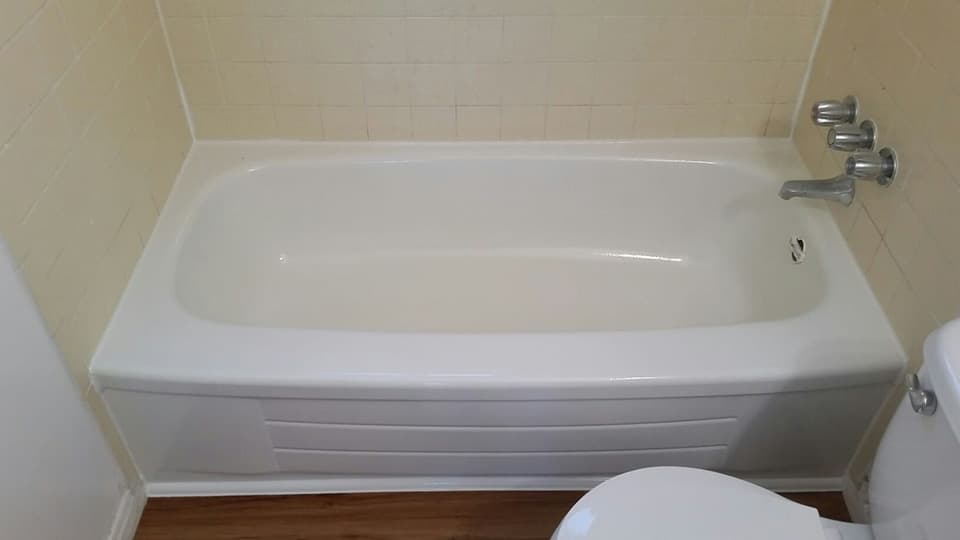
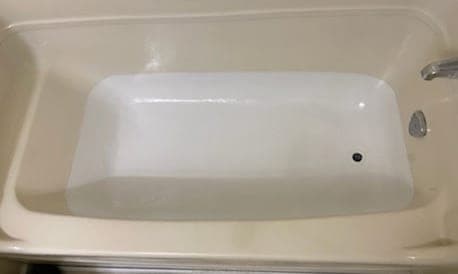
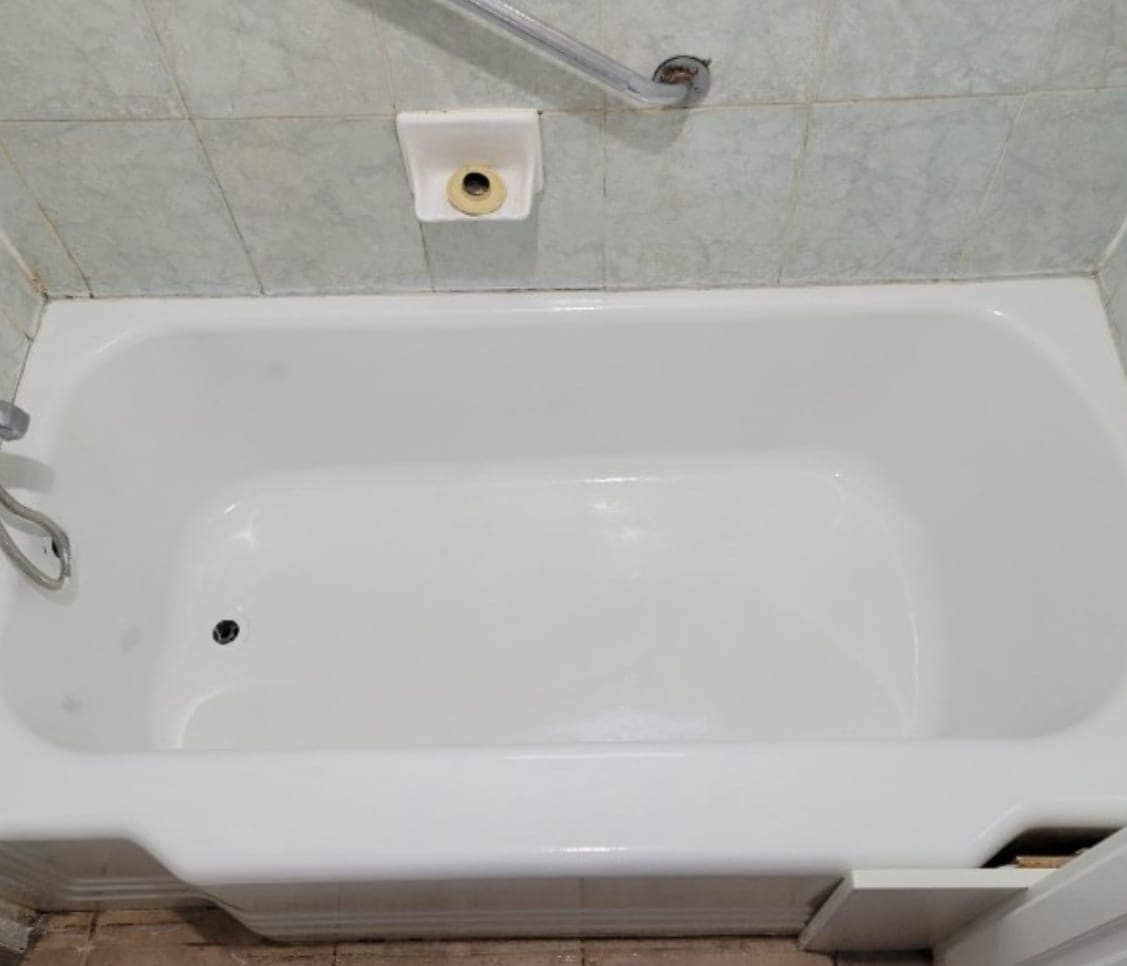
Bathtub Lead Protection, beforeBeforeAfter

Many bathtubs made before the 1980s were finished with porcelain glazes that can contain lead. As that glaze wears, crazes, or is scrubbed with abrasives, the worn surface is what bath water and small hands touch. Refinishing addresses this directly: the old glaze is cleaned, prepped, and sealed under a modern ShurBond coating, putting a smooth new barrier between the original surface and your family. You get lead encapsulation and a like-new tub in the same visit.

Often paired with bathtub refinishing, colour change & matching, and chip & crack repairs, since combining work in one visit keeps the total cost down.

Available in North Bay, Greater Sudbury, Huntsville, and the rest of our Northern Ontario service area.

What’s included

  • Assessment of the tub age, glaze condition, and wear
  • Full surface prep of the worn original glaze
  • Complete encapsulation under a modern ShurBond coating
  • A sealed, smooth, like-new surface over the original finish
  • Care guidance to keep the barrier coat intact for years

When to call us

  • Your tub dates from before the 1980s and has never been refinished
  • The glaze is visibly worn, dull, or crazed with fine cracks
  • Young children bathe in an older tub regularly
  • You are renovating an older home and keeping the original tub
FAQ

Lead Protection: questions we hear most.

Straight answers from the crew doing the work. If yours is not here, call and ask.

Do old bathtubs really contain lead?
Porcelain glazes used on many tubs made before the 1980s can contain lead. Whether a specific tub does depends on its age and manufacturer. Inexpensive swab test kits exist, and if you are concerned about an older tub, testing before deciding is a reasonable step.
How does refinishing help with lead?
The refinishing coating fully covers the original glaze, so the old surface is no longer what the bath water and bathers contact. It is an encapsulation approach: the original glaze stays, sealed behind a modern barrier coat.
Is encapsulation better than replacing the tub?
It is dramatically cheaper and keeps original fixtures, which matters in older and heritage homes. Replacement removes the source entirely but costs $2,000 or more once plumbing, tile, and drywall are counted. Many owners choose encapsulation for cost and practicality.
How long does the protective coating last?
With basic care, liquid cleaners and no abrasive powders, the coating keeps its seal for many years. Abrasives are what wear coatings down, on both original glaze and refinished surfaces.

Tell us what is wrong with your tub.Get a price the same day.

Most refinishing jobs run $400 to $650 and are back in service within 48 hours. Describe the problem and we will tell you exactly what fixing it costs.